Classic Planning Herald International
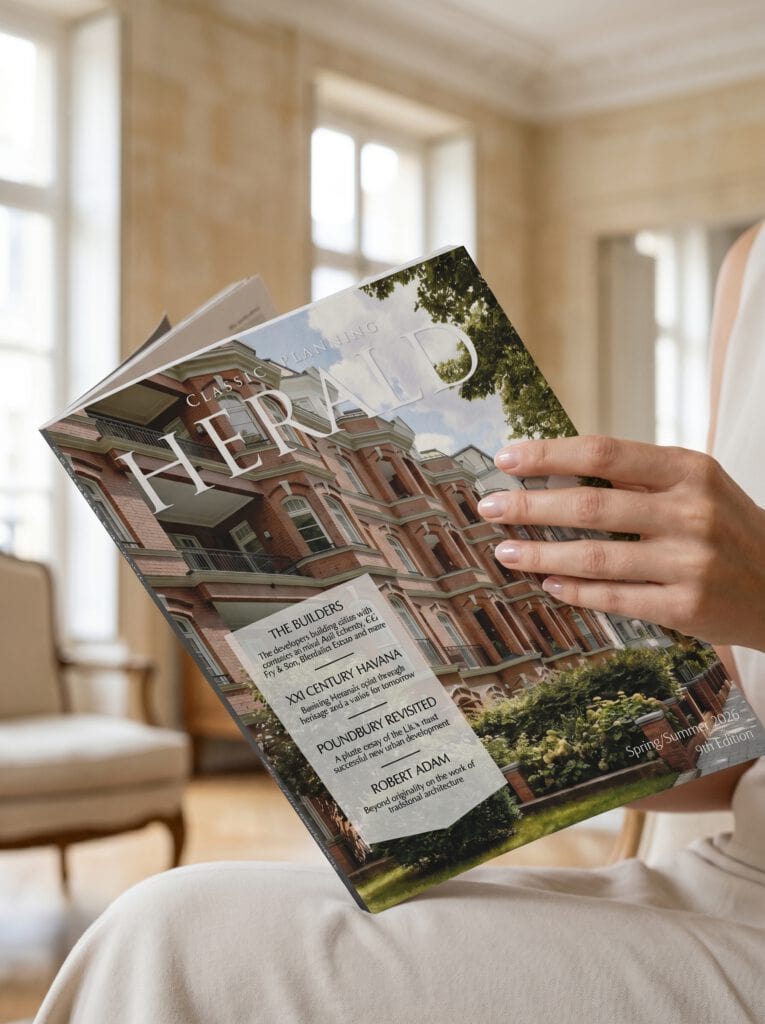
OUT NOW: In its ninth edition, the Herald turns to a question that has quietly re-entered the architectural debate of our time – what makes a building truly belong to its city.

26. May 2026 · Updated: 27. May 2026 · Reading Time: 2 Minutes
In an era defined by speed, liquidity and architectural spectacle, permanence has become a radical proposition. Across Europe and North America, a familiar question has quietly re-entered the architectural debate: what makes a building truly belong to its city? Not temporarily. Not as a visual statement. The concept by Herald International provides important impulses for the discussion about urban space.
CLASSIC PLANNING HERALD no 9
The full interview, alongside features on Poundbury, XXI Century Havana, the work of Robert Adam, and the developers building cities with centuries in mind — printed on uncoated paper and bound in the Herald’s signature format.
The Classic Planning Institute is a traditional architecture and urban design consultancy, an academy of traditional architecture and classic urban planning, and a community of practice. The Institute also has a lab which studies the Science of Beauty and a library which curates classical knowledge. The Classic Planning Institute is led by Dr Nir Buras, the author of The Art of Classic Planning (Harvard University Press, 2019)
A markedly different model of building
Over the past decades, development has often prioritised efficiency, branding and rapid turnover. Streets have gained square meters, yet frequently lost character. Buildings are completed, marketed and traded — sometimes before they have fully entered the civic life around them. In such an environment, responsibility is often fragmented.
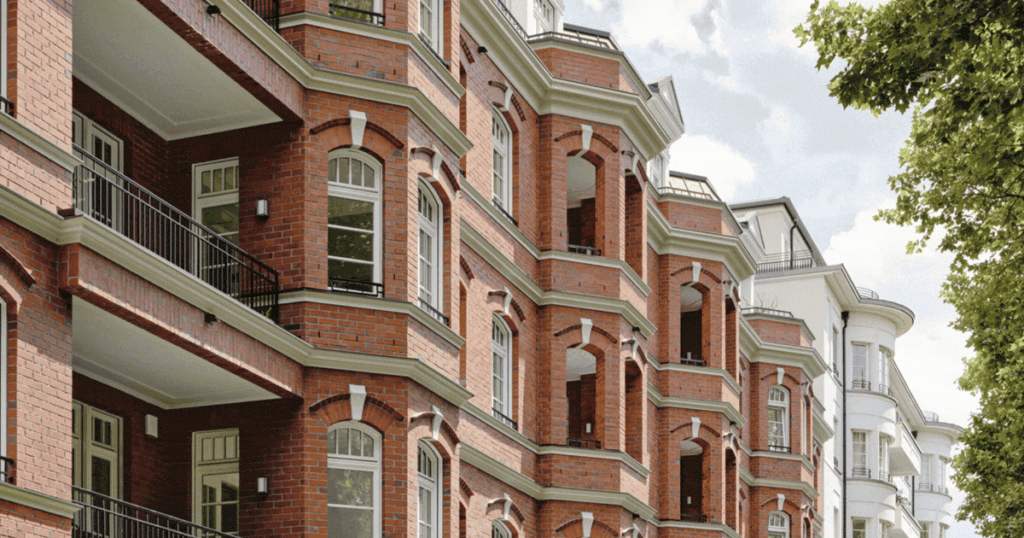
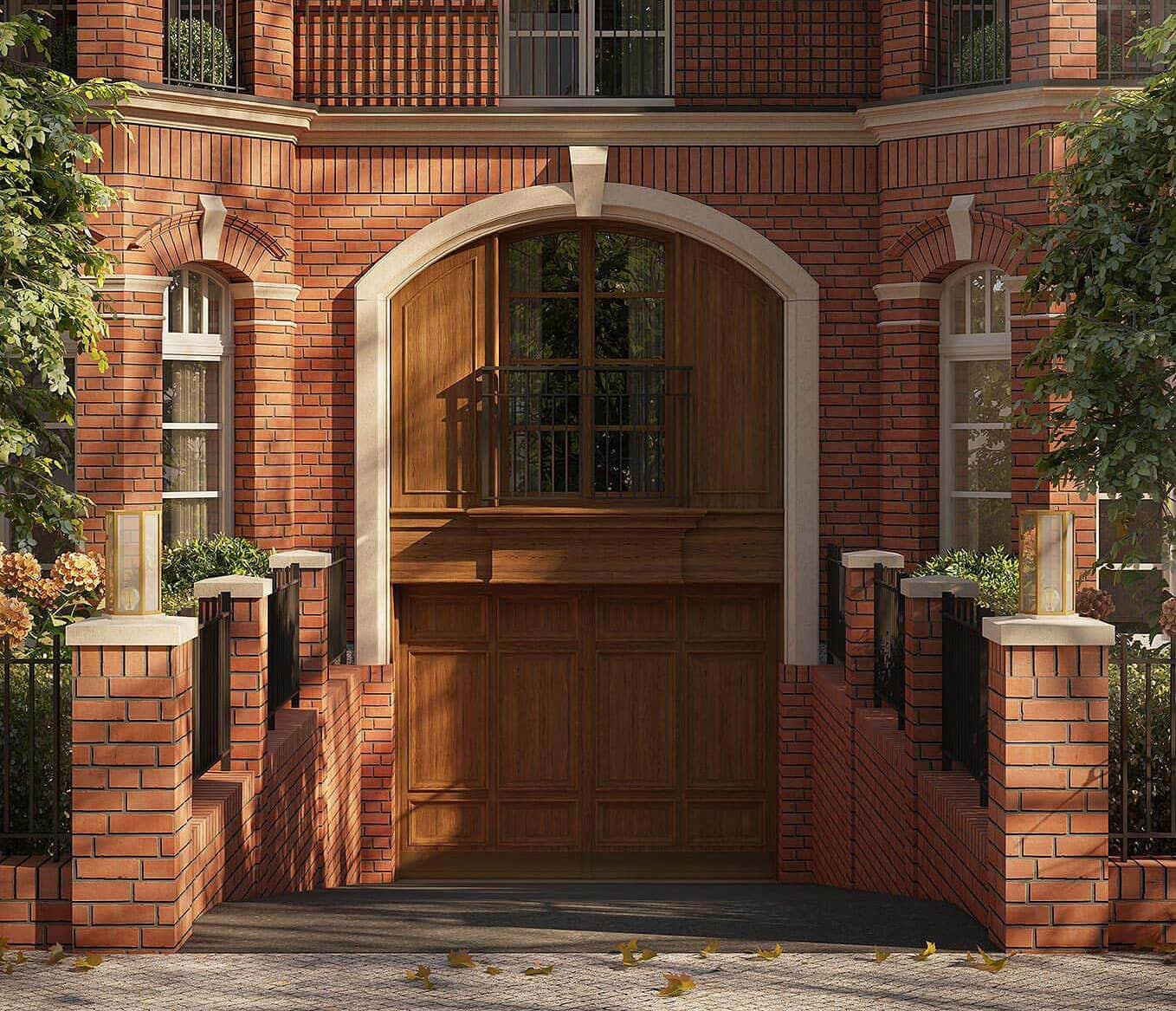
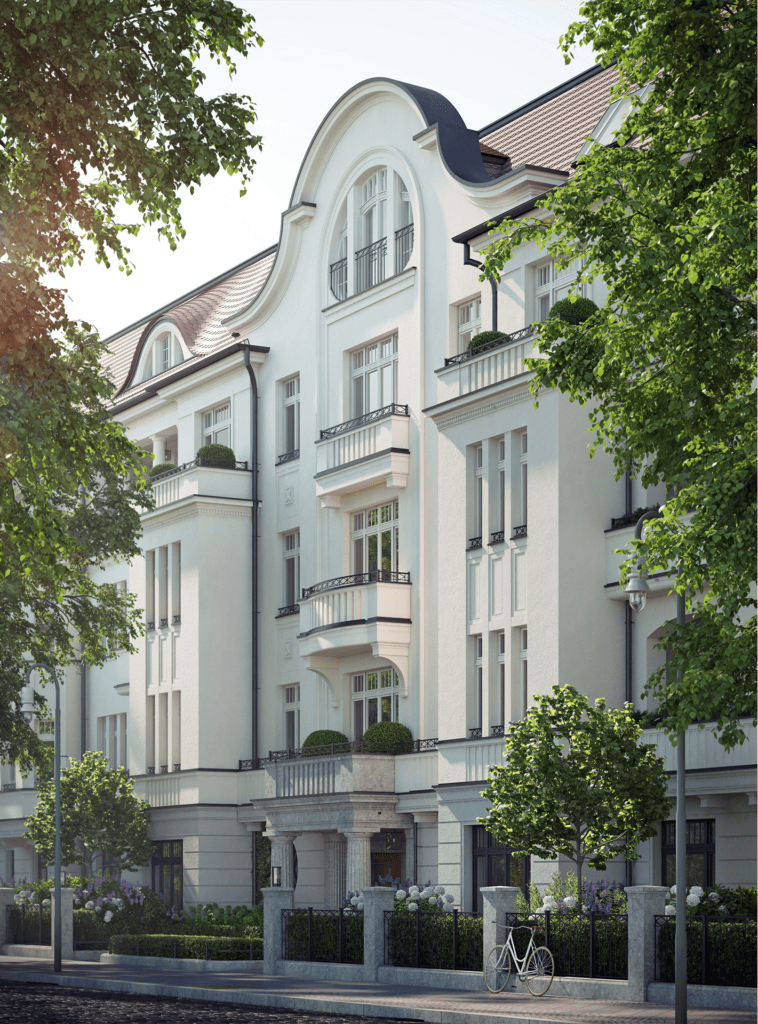
Against this backdrop, the work of the German developer Ralf Schmitz presents a markedly different model. Founded in 1864 and building under the family’s own name, the company operates with a time horizon that extends well beyond the typical project cycle. For Ralf Schmitz, reputation is not a marketing tool but a multi-generational asset. Risk is not externalised. Accountability is personal.
The logic of permanence
The Logic of Permanence a dialogue with Dr. Axel M. Schmitz by Michelle Sofge
A brief excerpt from the conversation: The strategic relevance of a developer’s name is a vital, yet often overlooked, component of architectural quality. In a candid exchange, the fifth generation of family leadership reflects on tradition, risk, and the patience required to build for a century.
Your company has roots going back to 1864. How have tradition and family legacy shaped your personal philosophy as a developer?
Our long tradition defines the way we act in a very particular way. Each generation carries responsibility in two directions — accountable to future generations with the ambition to hand over a respected, stable company, and to those who came before us. We owe it to them to continue and develop what they built, not to dilute it.
Unlike many developers, we do not create a new brand for every project. We always build under our own name. As a family and as a company, we stand fully behind every project we develop.
What does ‘classical architecture’ mean to you in the 21st century — and why is it important in the contemporary urban context?
We do not build in a classical or traditional language because we reject modern architecture. What guides us is a much more fundamental question: where do people genuinely feel at ease, and what kind of architecture proves sustainable over time?
By sustainable, I do not primarily mean technical efficiency, but buildings that are perceived positively in the streetscape for decades — or even centuries — while offering people a true sense of home inside.
Why do you think the public consistently prefers traditional streetscapes, while professionals so often dismiss them?
Many architects are educated in a highly theoretical environment. The general public approaches architecture very differently — they judge buildings by how they feel, how they age, and how they accompany everyday life.
One of the most rewarding moments for me is when the scaffolding comes down and I simply stand nearby and hear passersby say, “That actually turned out beautifully.” That kind of response cannot be theorised — it is immediate and genuine.
When people walk past your buildings in 100 years, what do you hope they will say about them?
I hope people will not question them at all. I hope they will simply feel as though the buildings belong there — as if they have always been part of the place. The greatest compliment would not be admiration, but acceptance.
If, in a hundred years, someone walks past and thinks, “Of course this stands here,” then we have done something right.
ORDER THE FULL COPY NOW